

Spending days or even weeks outdoors is one of the most rewarding experiences you can have. But staying powered while you’re far from outlets requires a bit of planning and a smart system. Whether you’re hiking, camping, or traveling off-grid, managing energy is less about carrying more gear and more about using it wisely.
This guide walks you through everything you need to know, from choosing the right batteries to building a reliable setup. Along the way, you’ll learn practical strategies that make a real difference when you’re deep in nature and every bit of power counts.
Start With a Clear Power Plan
Before packing any gear, it helps to understand exactly how much power you’ll need. Many people overpack or underprepare simply because they skip this step.
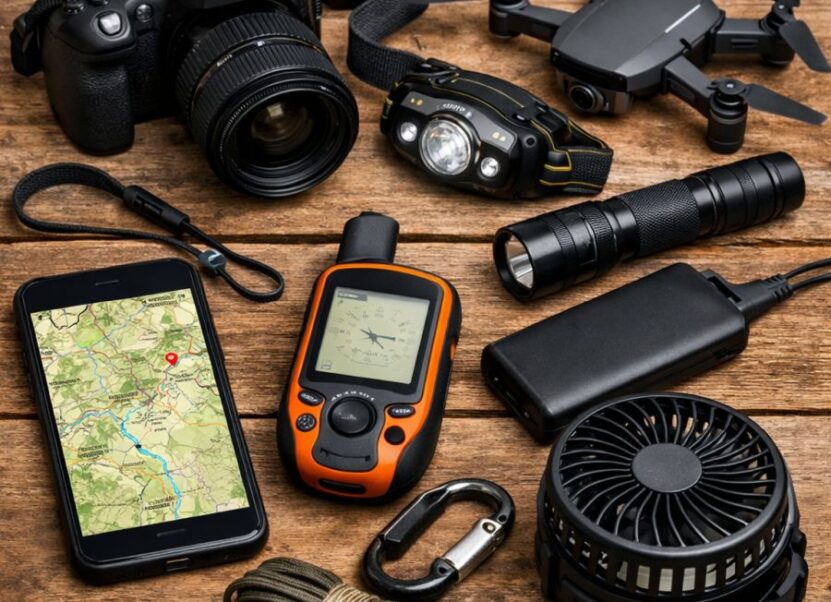
Think about your daily usage. Make a simple list of devices you’ll bring and estimate how often you’ll use them. Power needs vary widely depending on your setup, but most outdoor essentials include:
- Smartphone (navigation, photos)
- Headlamp or flashlight
- Camera or drone
- GPS device
- Portable fan or small appliances
Energy is usually measured in watt-hours, which reflects how long your devices can run. Calculating this ahead of time prevents surprises later. According to outdoor power guides, matching your battery capacity to your actual usage is key to avoiding both shortages and unnecessary weight.
Choose Reliable Rechargeable Batteries
A solid battery system is the foundation of any long outdoor trip. If your setup is unreliable, everything else becomes harder.
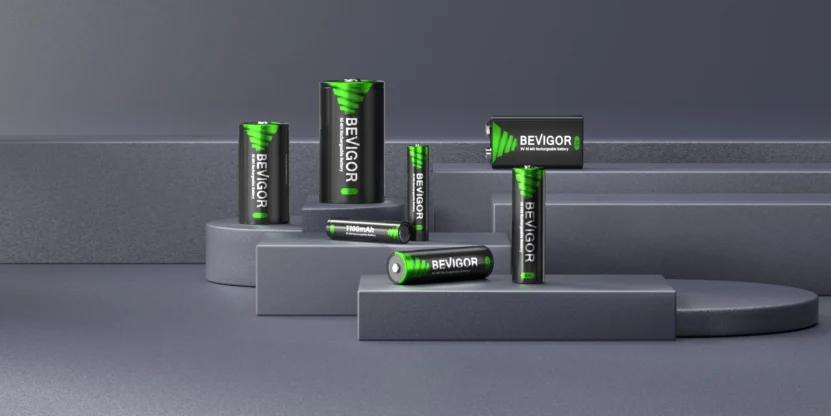
This is where investing in quality gear matters. For smaller devices like headlamps, radios, or cameras, dependable AAA rechargeable batteries are essential. They reduce waste, save space, and ensure you always have backup power when needed.
A practical option many outdoor enthusiasts rely on is Bevigor rechargeable batteries with charger. Having a complete system that includes both batteries and a charger simplifies your setup and ensures compatibility across your gear.
Rechargeable batteries are also more sustainable and cost-effective over time. Instead of carrying dozens of disposables, you can cycle through a few reliable sets and recharge them when needed.
Build a Layered Power System
Relying on a single power source is risky, especially on longer trips. A layered system gives you flexibility and backup options.
Most effective setups combine multiple power sources:
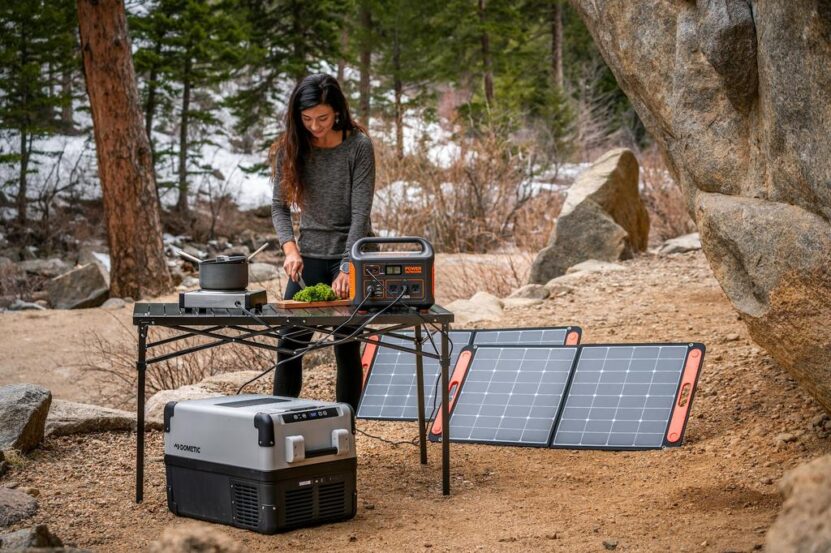
- Primary source: a high-capacity power bank or portable power station
- Secondary source: solar panels for recharging during the day
- Backup: spare batteries for essential gear
Solar power has become a game changer for outdoor trips. It offers a renewable, silent, and portable energy source that works well in remote areas.
Important note: Solar chargers work best in direct sunlight and should be paired with a battery storage system for consistent use.
This layered approach ensures that even if one component fails, you’re never completely without power.
Smart Energy Habits That Make a Difference
Managing power isn’t just about what you bring. It’s also about how you use it. Small habits can extend your battery life significantly.
Here are some practical ways to reduce energy consumption:
- Turn off Bluetooth, Wi-Fi, and GPS when not needed
- Lower screen brightness on devices
- Use airplane mode in low-signal areas
- Limit non-essential usage like streaming or gaming
These simple adjustments can dramatically extend battery life. Outdoor experts consistently emphasize that efficient usage is just as important as having extra power sources.
Think of your battery like a shared resource. The less you waste, the longer it lasts.
Compare Power Options for Outdoor Trips
Different trips call for different power solutions. The table below helps you quickly understand what works best depending on your situation.
| Power Option | Best For | Pros | Cons |
| Power banks | Short to medium trips | Lightweight, easy to use | Limited capacity |
| Solar chargers | Sunny, long-duration trips | Renewable, unlimited energy source | Weather dependent |
| Portable power stations | Extended or gear-heavy trips | High capacity, versatile | Heavier and bulkier |
| Spare batteries | Small devices | Simple, reliable backup | Need recharging eventually |
Each option serves a different purpose. Combining them creates a more resilient system.
For example, pairing a solar charger with a power bank allows you to store energy during the day and use it at night.
Don’t Forget Environmental Factors
Nature plays a bigger role in battery performance than many people realize. Temperature, humidity, and terrain all affect how your power system behaves.
Cold weather is especially important. Batteries tend to drain faster in low temperatures, which can reduce their effective capacity. Keeping them warm, such as in a pocket or insulated pouch, helps maintain performance.
Heat can also degrade batteries over time, so avoid leaving them in direct sunlight for extended periods.
Did you know? Extreme temperatures can reduce battery efficiency by up to 30 percent, depending on the conditions.
Protecting your gear from the elements is just as important as choosing the right equipment in the first place.
Pack Efficiently Without Overloading
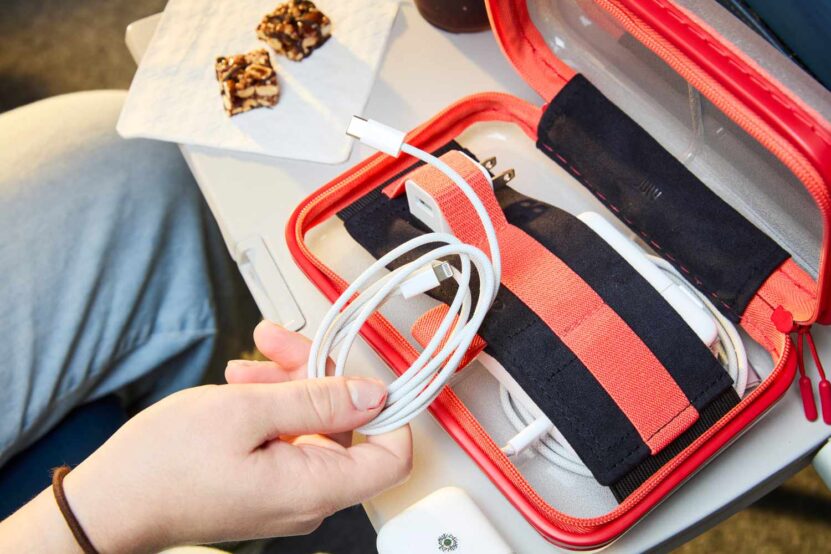
It’s tempting to bring extra batteries and large power banks “just in case,” but overpacking can quickly become a burden.
Instead, focus on efficiency:
- Choose multi-use devices when possible
- Bring only the cables you actually need
- Use compact, high-capacity batteries
- Prioritize essential gear over convenience items
Multi-purpose gadgets are particularly useful. For example, some solar lanterns also act as power banks, reducing the number of devices you need to carry.
Efficient packing is about balance. You want enough power to stay safe and comfortable without turning your backpack into dead weight.
Stay Flexible and Adapt as You Go
No plan survives perfectly in the wild. Weather changes, usage patterns shift, and unexpected situations happen.
That’s why flexibility is key. Monitor your power usage daily and adjust as needed. If you notice your battery draining faster than expected, scale back usage or prioritize critical devices.
Long outdoor trips reward awareness. The more you pay attention to your energy habits, the better you’ll manage your resources over time.